
A tight, repeatable system built on targeted distribution, conversion-focused listings, and rapid lead response fills vacancies faster than any single tactic. Landlords who treat rental property marketing as a system, not a one-time posting task, consistently cut vacancy days and land better-qualified applicants.
Here's what to do right now, in order:
- Today: Post to Zillow, Apartments.com, and Realtor.com simultaneously; fix your headline, swap in real unit photos, and set up an auto-responder for inquiries.
- Within 24 hours: Confirm pricing against three local comps using Rentometer or a comparable rent report.
- Within 3 days: Add Facebook Marketplace and a local Facebook group post; schedule your first showings.
- Within 7 days: Review inquiry volume. If it's thin, adjust the headline or price before assuming the market is soft.
Pro Tip: Respond to every inquiry within one hour during business hours. Prospects touring a competing unit rarely wait around for a slow reply.
| Point | Details |
|---|---|
| Distribute widely, fast | Post to Zillow, Apartments.com, and Realtor.com on day one to maximize early visibility. |
| Fix the listing basics | Rewrite the headline, verify pricing against comps, and use real unit photos, not stock images. |
| Respond within the hour | Automated first-touch responses prevent applicants from moving to a competing listing. |
| Screen what marketing attracts | A larger, better-targeted applicant pool makes rigorous tenant screening more effective. |
| Escalate when stalled | If a unit sits vacant past 30 days, professional property management can reset the strategy. |
Key Takeaways
A tight system of accurate, unit-specific listings, targeted platform distribution, fast lead response, and standardized screening fills vacancies faster than any single tactic alone.
| Point | Details |
|---|---|
| Distribute strategically | Post to Zillow, Apartments.com, and Realtor.com first, then add Facebook Marketplace and local channels. |
| Accuracy beats volume | Real unit photos, floor plans, and specific copy convert better than posting to more platforms. |
| Price with data | Pull three to five comps and check Rentometer before setting or adjusting rent. |
| Respond within the hour | Fast lead response prevents prospects from moving to competing listings. |
| Consider professional help | Milwaukeepm manages marketing, screening, and leasing as one connected system when a unit needs faster results. |
Table of Contents
- Where To List Your Rental For Maximum Reach
- How Do You Write A Rental Listing That Converts?
- What Photos And Video Actually Move Leads
- How Do You Set The Right Rent Price?
- Making Your Listing Easier To Find Online
- Social Media And Paid Ads For Rental Listings
- Offline Tactics That Still Fill Vacancies
- Marketing And Screening Work As One System
- Your 7-Day And 30-Day Leasing Timeline
- Tracking What's Working (And Fixing What Isn't)
- What Actually Moves The Needle In Rental Marketing
- Get Rental Marketing And Screening Handled Together
- Frequently Asked Questions
- Sources
Where To List Your Rental For Maximum Reach
Not every platform serves the same purpose, and treating them all identically wastes both time and budget. Some sites attract high-intent renters ready to sign; others generate volume but weaker leads.
Zillow remains the highest-traffic option for most residential landlords, and its Rental Manager tool lets you post free listings while bundling in pricing guidance and screening features tied directly to the listing. Apartments.com offers a similar free tier, but its premium packages, including Matterport 3D tours, tend to produce higher impressions and stronger lead quality than standard postings. Realtor.com pulls a slightly different crowd, often renters coming from a home-search mindset who are comparing rent-versus-buy, which can mean longer decision cycles but more serious inquiries. Craigslist still works, particularly for lower-cost units or markets where younger renters browse it out of habit, but expect more unqualified inquiries mixed in. Facebook Marketplace has become a legitimate channel, not just a backup, especially for reaching renters who scroll rather than search. HotPads functions well as a secondary feed, useful for filling gaps in your syndication rather than as a primary destination.
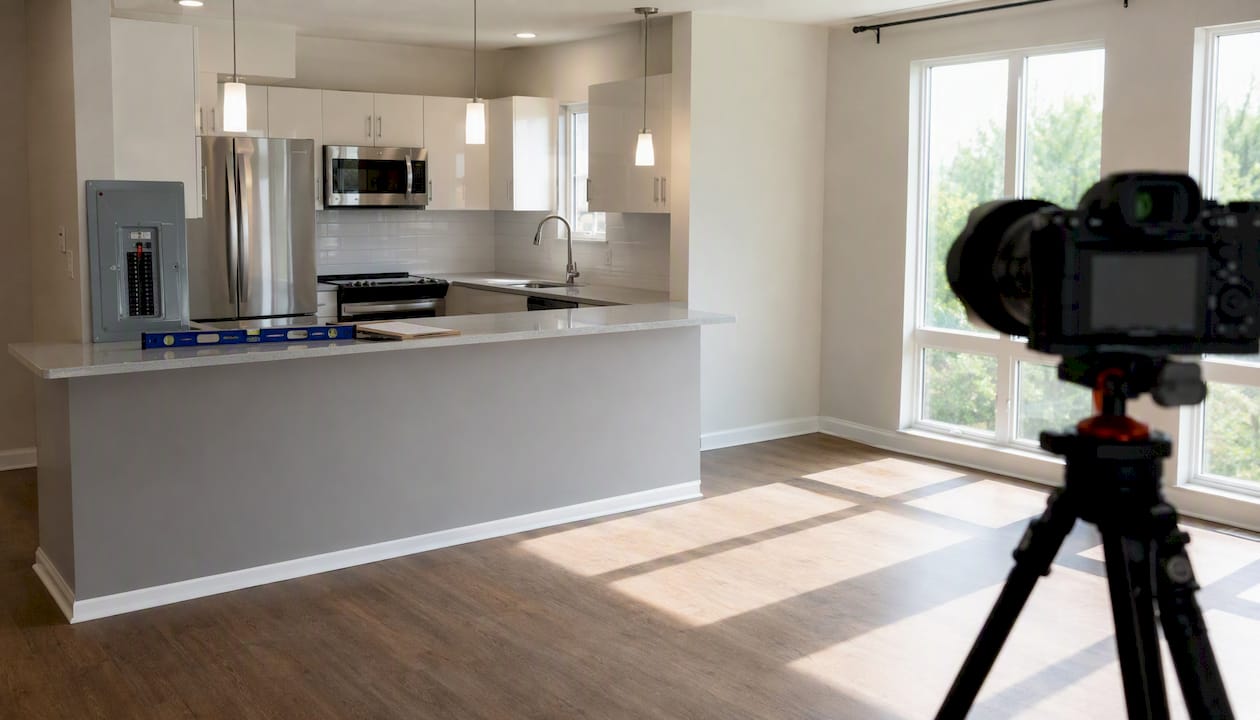
Syndication tools let you push one listing across multiple sites with a single submission, saving hours of manual reposting. Avail's syndication service, for instance, advertises that promoted listings are 75% more likely to result in a signed lease compared to non-promoted ones. The tradeoff: syndicated posts sometimes lose unit-specific detail in translation, since the same description and photos get pushed everywhere regardless of platform quirks. Local channels deserve a mention too. Claiming your Google Business Profile helps if you manage multiple properties under one name, and posting in neighborhood-specific Facebook groups often outperforms generic city-wide groups for tenant quality.
| Platform | Best For | Watch Out For |
|---|---|---|
| Zillow | Broad reach, built-in pricing and screening tools | High inquiry volume includes many unqualified leads |
| Apartments.com | Premium visibility with 3D tours | Premium features require paid upgrade |
| Realtor.com | Serious renters comparing rent vs. buy | Slower decision cycles |
| Craigslist | Budget-conscious or younger renters | More spam and unqualified contacts |
| Facebook Marketplace | Local, social-first browsers | Requires active community engagement |
| HotPads | Supplemental reach | Weaker as a standalone primary channel |
Pro Tip: When syndicating across five or six sites at once, double-check that unit numbers, square footage, and photos match exactly. Syndication tools sometimes carry over outdated details from a previous listing, and mismatched information kills trust fast.
How Do You Write A Rental Listing That Converts?
The headline is the single highest-leverage sentence in your entire listing. It needs to combine unit type, a standout amenity, and a lifestyle hook, in that order of importance. "Sunny 2BR Near Downtown with In-Unit Laundry and Private Balcony" beats "Nice Apartment for Rent" because it answers three questions before the renter even clicks.
A high-converting listing follows a predictable structure:
- Headline — unit type, standout feature, location or lifestyle cue.
- Opening lines (2 to 3 sentences) — set the scene: who this unit suits, what makes it different, and one specific detail (natural light, recent renovation, quiet street).
- Amenities list — bulleted, scannable, specific (not "great amenities" but "stainless appliances, in-unit washer/dryer, assigned parking").
- Lease terms — length, deposit, move-in date, whether utilities are included.
- Pet policy — state it plainly; ambiguity here generates wasted inquiries.
- Unique notes — anything that sets the unit apart: recent renovations, EV charger access, storage units.
- Call to action — a direct scheduling link or clear instructions for booking a self-tour.
Fair housing compliance isn't optional, and it shapes your word choices more than most landlords realize. Avoid language that signals a preference tied to a protected class, even unintentionally. "Great for young professionals" or "ideal for a small family" both cross lines that seem harmless but aren't.
The safest approach is describing the property, never the person you imagine living in it. Say "close to public transit and grocery stores" instead of "perfect for commuters." Say "quiet building" instead of "no loud parties" if the latter implies age or lifestyle assumptions. Specificity about the unit protects you; specificity about the tenant does not.
Floor plans matter more than most listings give them credit for. A simple floor plan image, even a basic sketch, cuts down on wasted showings because renters can rule themselves out before booking a tour. Pair that with unit-level photos rather than stock images or photos of a "similar unit," since accuracy and transparency in showing the actual space significantly improve conversion rates according to recent rental marketing analysis.
What Photos And Video Actually Move Leads
Visual assets do more than make a listing look nice. They function as a filter, screening out prospects who wouldn't like the space anyway, which means fewer wasted showings and a higher percentage of serious tours.
The photo checklist, in priority order when time is limited:
- Exterior shot showing the building or entrance clearly.
- Entryway and main living area, shot in daylight when possible.
- Kitchen and bathroom, including counter space and storage.
- Bedrooms, staged simply (a made bed and clear surfaces go a long way).
- One neighborhood context shot: a nearby park, main street, or transit stop.
- A basic floor plan image, even hand-drawn or software-generated.
A 30 to 60 second walkthrough video script can be simple: start at the entrance, narrate one sentence per room ("Here's the kitchen, updated last year with new countertops"), end at the best feature in the unit. Keep the camera steady and walk at a natural pace; jittery handheld footage undercuts an otherwise strong listing.
Virtual staging and 3D tour platforms like Matterport add real value for vacant units that look empty or awkward in photos, and Apartments than standard free listings.

Pro Tip: If your budget only covers one upgrade, spend it on professional photos of the kitchen and primary living area. Those two rooms drive more click-throughs than any other single asset, floor plan included.
How Do You Set The Right Rent Price?
Pricing is where most vacancy problems actually start, not with weak marketing. A unit priced $75 too high can sit for weeks even with perfect photos and a flawless listing.
Run your pricing decision through this sequence:
- Pull three to five local comps — same bedroom count, similar square footage, comparable condition, within a half-mile to one-mile radius depending on density.
- Cross-check with a market tool — Rentometer or a comparable local market report gives a data-backed range rather than a guess.
- Adjust for concessions — if comparable units are offering a free month or reduced deposit, factor that into your effective rent, not just the sticker price.
- Check days-on-market signals — if similar units are leasing in under two weeks, your price is likely aligned with demand; if they're sitting past 30 days, the market may be softer than your initial comp suggested.
- Document your decision — note the comps and date you pulled them, so you have a reference point if you need to justify a price drop later.
A few decision rules worth following consistently:
- Undercut the market by 2 to 3% if speed matters more than maximizing rent, such as during a slow leasing season.
- Hold firm on price if your unit has a genuine differentiator (in-unit laundry, updated kitchen, included parking) that comps lack.
- Offer a concession (partial first month, waived application fee) before dropping the base rent, since concessions are easier to reverse once demand picks back up.
Even small pricing adjustments shift lead volume noticeably. A $25 to $50 monthly reduction often increases inquiry volume more than a proportional headline or photo change would, though it also tends to widen the range of applicant quality, so tightening your screening criteria alongside a price drop keeps that tradeoff manageable. Watching longer-term renter demand trends in your metro area also helps you decide whether a slow week is a market blip or a signal to adjust strategy.
Making Your Listing Easier To Find Online
Listing sites and search engines both reward specificity. A headline stuffed with vague adjectives ranks and converts worse than one built around the terms renters actually search.
Place your primary keywords where they carry weight:
- Headline: unit type, standout amenity, neighborhood or landmark reference.
- First sentence of the description: repeat the key amenity or lifestyle hook in natural language.
- Amenities list: exact terms renters search for, not vague summaries.
- Photo alt text and filenames: rename image files before uploading (kitchen_stainless_appliances.jpg beats IMG_4821.jpg).
Match your language to renter intent. Someone searching "pet-friendly apartment near downtown" is looking for different signals than someone searching "apartment with EV charging" or "quiet apartment for remote work." Build in the specific phrases that match how real prospects search:
- Commute-focused: "10-minute walk to the Blue Line" or "easy highway access."
- Work-from-home: "dedicated office nook" or "reliable high-speed internet included."
- Pet owners: "no weight limit" or "fenced yard, two-pet max."
- EV drivers: "Level 2 charger in assigned spot."
Category accuracy matters more than landlords tend to assume. Listing a duplex unit under "single-family home" or misclassifying square footage confuses search filters on ILS platforms, which quietly excludes your listing from renter searches that would otherwise have matched.
Pro Tip: Run two versions of your headline for the first week, swapping only the lead phrase, and track which one generates more clicks-to-inquiry. Most landlords never test this, which means most listings are leaving leads on the table.
| Point | Details |
|---|---|
| Front-load keywords | Put the strongest amenity and neighborhood terms in the headline and first sentence. |
| Match renter intent | Use phrases tied to commute, pets, remote work, or EV charging based on your unit's real strengths. |
| Rename photo files | Descriptive filenames and alt text improve discoverability on listing platforms. |
| Classify accurately | Correct unit type and square footage prevent your listing from being filtered out of relevant searches. |
Social Media And Paid Ads For Rental Listings
Social platforms reach renters who never open an ILS app, and that audience overlap gap is exactly why organic and paid social has become a legitimate second channel rather than a nice-to-have extra. Building a rental brand on Instagram and Facebook complements traditional listing sites precisely because the audiences browse differently and often at different points in their search.
Facebook Marketplace functions almost like a listing site at this point, with search and inquiry behavior close to Zillow's. Instagram works better for Reels-style short video, especially for units with a strong visual identity, exposed brick, natural light, a standout view. TikTok suits landlords managing multiple units or a small portfolio where a recognizable posting style builds a following over time.
Short-video ad ideas that consistently perform:
- A 15-second "first look" clip starting at the front door and ending at the best room in the unit.
- A "day in the life" style video showing a coffee shop or park within walking distance.
- A side-by-side before-and-after clip if the unit was recently renovated.
For paid budgets, start small and measure before scaling. A modest weekly spend testing two or three ad variations tells you more than a large one-time budget spent on a single creative. Calculate cost-per-qualified-lead, not cost-per-click, since clicks are cheap and meaningless without follow-through.
| Metric | Why It Matters | What Good Looks Like |
|---|---|---|
| Cost-per-click | Cheapest to optimize, least predictive of leasing success | Useful only as an early signal |
| Cost-per-qualified-lead | Ties spend to inquiries that meet screening basics | The real budget benchmark |
| Tour-booking rate | Shows whether ads attract serious prospects | Higher rate justifies scaling spend |
| Cost-per-lease | Ultimate measure of ad effectiveness | Compare against management fee savings |
Offline Tactics That Still Fill Vacancies
Digital-first doesn't mean digital-only. A well-placed for-rent sign still generates calls, especially in walkable neighborhoods where prospective tenants already live nearby and drive or walk past daily.
Sign and flyer copy that performs:
- Sign copy: unit size, one standout feature, phone number in large font, QR code linking directly to the online listing.
- Flyer headline: match the online listing's headline exactly, don't create a second version that confuses cross-channel recognition.
- QR code placement: top corner, large enough to scan from a few feet away without squinting.
Open houses and in-person showings carry their own logistics and safety considerations:
- Confirm the prospect's name and phone number before the showing, ideally through a pre-screen text or call.
- Let a colleague, neighbor, or family member know your showing schedule and location.
- Keep the front door unlocked but stay near the entrance during group open houses rather than deep in the unit.
- Trust hesitation. If something about a scheduled visit feels off, it's fine to reschedule or request a video call first.
Sync every offline effort with your online presence. The price on your flyer should match your Zillow listing exactly; the photo on your sign should be the same hero image from your Apartments.com post. Mismatched pricing between a flyer and an online listing generates confused calls and erodes trust before a prospect even sees the unit. Community bulletin boards, local newspapers, and neighborhood associations still work well in smaller markets or for units targeting long-term residents rather than young professionals relocating for work.
Marketing And Screening Work As One System
Marketing that generates a large volume of unqualified leads accomplishes nothing. The real goal is a high-intent applicant pool that makes rigorous screening both possible and reliable, which is the connection most landlords miss entirely when they treat these as separate tasks.
The process flow looks like this: attract prospects through targeted listings and visuals, filter early through accurate photos and specific copy (which naturally discourages mismatched applicants from inquiring), respond fast to keep serious prospects engaged, run a standardized screening process on everyone who tours, then select based on consistent criteria rather than gut feeling.
Three metrics tell you whether the system is working:
- Lead-to-tour rate — if inquiries rarely convert to booked showings, your listing may be attracting the wrong audience or setting incorrect expectations.
- Tour-to-application rate — a low rate here often points to a mismatch between marketing promises and the actual unit condition.
- Application-to-approval rate — consistently low approval rates suggest your marketing is reaching applicants who don't meet your criteria, not that your criteria are too strict.
Rapid response matters more here than it seems on the surface. Automating that first touch, whether through a chatbot, auto-responder, or instant scheduling link, keeps prospects from drifting to a competing listing before you've even had a chance to screen them. Standardizing your pre-screen questions (income, move-in timeline, pet ownership) before the tour saves everyone time and filters out clearly mismatched applicants early. When a portfolio grows large enough that this system becomes hard to run consistently, professional screening services can absorb that operational load without sacrificing quality, and property teams managing multifamily portfolios often adopt similar multi-channel, data-driven marketing approaches to keep occupancy steady across many units at once.
| Approach | Strength | Limitation |
|---|---|---|
| Manual screening, self-managed | Full control over criteria and communication | Time-intensive, easy to fall behind on volume |
| Software-assisted screening | Faster background and credit checks | Still requires owner judgment on edge cases |
| Professional screening partner | Consistent process across every applicant | Involves a management or service fee |
Pro Tip: Write your pre-screen questions once and reuse them for every applicant, word for word. Consistency here isn't just efficient, it's also your best protection against fair housing complaints, since identical criteria applied to everyone is far easier to defend than an ad hoc conversation that changes tenant by tenant.
Your 7-Day And 30-Day Leasing Timeline
Vacancy days are expensive, and most of them are avoidable with a clear sequence rather than a scattered approach. The first week sets your foundation; the following three weeks determine whether you fill the unit on schedule or start sliding into a longer vacancy.
The 7-day sprint:
- Day 1: Take or schedule photos, rewrite the headline, confirm pricing against comps.
- Day 2: Post to Zillow, Apartments.com, and Realtor.com; set up an auto-responder.
- Day 3: Add Facebook Marketplace and a neighborhood Facebook group post.
- Day 4: Enable self-tour scheduling or set fixed showing windows.
- Day 5 to 6: Respond to inquiries within one hour; book confirmed tours.
- Day 7: Review inquiry volume and quality; adjust headline or price if response is thin.
The 30-day plan extends beyond the initial sprint with sustained visibility: paid boosts on Facebook or Instagram if organic reach stalls, continued neighborhood outreach through flyers or community boards, and retargeting ads for prospects who viewed the listing but didn't inquire.
| Day | Milestone | Decision Point |
|---|---|---|
| Day 1 to 7 | Initial listing sprint across all platforms | Escalate photos or rewrite headline if inquiries are low |
| Day 8 to 10 | Monitor tour bookings and applicant quality | Consider a small price adjustment if tours aren't converting |
| Day 15 to 20 | Add paid promotion if organic reach has plateaued | Test a premium listing upgrade (3D tour, featured placement) |
| Day 21 to 30 | Reassess pricing and marketing mix | Escalate to professional property management if still vacant |
Pro Tip: If a unit passes the 30-day mark without a signed lease, the problem is rarely bad luck, and common NYC property management challenges often explain why vacancies linger. It's almost always price, photos, or response time, in that order of likelihood.
Tracking What's Working (And Fixing What Isn't)
Marketing without measurement is just guessing with extra steps. The landlords who fill units fastest track a specific handful of numbers and adjust course based on what those numbers actually show.
Track these metrics weekly:
- Views — raw traffic to your listing across all platforms.
- Inquiries — how many viewers actually reach out.
- Lead-to-tour rate — inquiries that convert into a scheduled showing.
- Tour-to-application rate — showings that result in a submitted application.
- Application-to-lease rate — applications that convert into a signed lease.
- Cost-per-qualified-lead — total spend divided by leads that meet your basic screening criteria.
Run simple A/B tests to isolate what's actually driving performance:
- Swap the headline for one week, keep everything else identical, and compare inquiry volume.
- Swap the primary hero photo (exterior versus interior) and track click-through rate.
- Test a $50 rent concession against a free assigned parking spot and compare application volume over two weeks.
Review this data every seven days during an active vacancy, not monthly. A month is too long to wait when a listing is underperforming; by the time you notice, you've lost weeks of exposure. If one channel consistently underperforms after two full weeks, shift that budget or effort toward the channel that's actually converting. A simple spreadsheet tracking these six metrics per listing works fine; the discipline of reviewing it matters far more than the sophistication of the tool.
What Actually Moves The Needle In Rental Marketing
Most advice on this topic treats marketing and screening as sequential steps: market the unit, then screen whoever shows up. That framing gets the relationship backward. The quality of your applicant pool is determined almost entirely by the quality of your marketing, not the strictness of your screening process afterward. A poorly photographed, vaguely worded listing attracts a wide net of mismatched inquiries no screening checklist can efficiently sort through. A precise, unit-accurate listing with a fast response system does the sorting before an application ever lands on your desk.
The overrated tactic, in my view, is chasing every possible listing platform at once. Landlords often assume more platforms automatically means more leads, but unit-level accuracy across three well-chosen platforms consistently outperforms a scattershot presence across eight. Diluted effort produces diluted results, particularly when syndicated listings lose specificity in the process.
The underrated tactic is speed. Landlords will spend hours perfecting a photo shoot and then let an inquiry sit unanswered for a full day. That gap costs more leases than a mediocre photo ever will. If you fix one thing this week, fix your response time before you touch anything else.
Prioritize in this order: accurate visuals first, honest and specific copy second, fast response third, disciplined pricing fourth. Everything else, paid ads, social video, premium upgrades, amplifies a foundation that's already solid. It rarely fixes one that isn't.
Get Rental Marketing And Screening Handled Together
Running the full playbook, listing syndication, photo production, pricing checks, rapid response, and standardized screening, takes real hours every week, and most self-managing landlords are doing it around a full-time job. Milwaukeepm handles that entire system for you, pairing conversion-focused marketing with a tenant guarantee for the first year, so vacancy periods stay short and the tenants who move in are ones you can trust.
Milwaukeepm suits owners managing one property or a growing portfolio who want the marketing-to-screening pipeline run consistently, without personally chasing inquiries at 9 p.m. or second-guessing a pricing decision. The owner and tenant portals keep communication and reporting transparent throughout, so you're never wondering where a lead stands or why a unit is still vacant.
If your unit has sat empty longer than a week, or you'd simply rather not run this playbook yourself every time a lease ends, explore Milwaukeepm's property management services and request a quote for your property.
Frequently Asked Questions
How long should a rental property stay on the market before I change my approach? If a unit hasn't generated meaningful inquiries within 7 days, review your headline and photos first. If it's still vacant past 30 days, the issue is almost always price, visual quality, or response speed, not bad luck.
Do I need to pay for premium listings on every platform? No. Free tiers on Zillow, Apartments.com, and Realtor.com cover most reach needs. Premium upgrades, including 3D tours, tend to help most on higher-rent units or slower markets where you need every visual advantage.
What's the biggest fair-housing mistake landlords make in listings? Describing an imagined ideal tenant instead of the property itself. Phrases like "perfect for young professionals" imply a preference tied to a protected class, even when unintentional. Stick to describing the unit and its features.
How much does professional photography actually improve results? It varies by market, but unit-level accuracy, including real photos and floor plans, is consistently linked to higher click-to-lead and tour-to-application rates in current rental marketing research. Prioritize the kitchen and main living space if budget is limited.
Should I handle marketing myself or hire a property management company? Self-managing works fine for landlords with one or two units and time to respond quickly to inquiries. Portfolios growing beyond that, or owners who can't guarantee same-day response times, typically see fewer vacancy days when marketing and screening are handled by a dedicated management team.
This article is general information, not a substitute for advice from a qualified financial advisor. Consult a qualified financial professional about your own circumstances before acting on anything here.
Sources
- Housing units occupied by renter in the U.S. since 1975 | Statista
- Rental Listing Guide 2026: How to Convert More Leads | Spanr
- List Rental Properties For Free - Post a Listing | Zillow Rental Manager