
CAM reconciliation is the annual true-up between the estimated common area maintenance charges tenants paid monthly and the actual shared expenses the landlord incurred that year. Property managers or accounting teams typically prepare it within a few months of fiscal year-end. The moment you receive a statement, check the delivery date against your lease deadline, note when payment is due, and start gathering backup documentation before you sign off on anything.
TL;DR:
- Accurate pro-rata calculations require tenants to verify the use of rentable square footage and proper occupancy percentages, not gross building area.
- Common reconciliation errors often involve capital items classified as operating expenses, incorrect square footage, or improper gross-up application on fixed costs.
- Tenants should review lease terms for expense caps, base-year limits, and exclusions, ensuring backup documents support each expense category.
- Timely delivery of reconciliation statements and proactive bookkeeping practices, like separate CAM accounts and current lease abstracts, streamline dispute resolution.
- Third-party audits are advisable when discrepancies are material after reviewing backup documentation, and tenancy rights typically allow disputes within one to two years.
Table of Contents
- What Is CAM Reconciliation and Why It Matters?
- What Goes Into a Reconciliation Statement?
- How Do You Calculate CAM Reconciliation?
- What Are the Most Common CAM Reconciliation Errors?
- How Do You Review a CAM Reconciliation Statement?
- When Are CAM Reconciliations Due, and What Are the Audit Deadlines?
- What Bookkeeping Practices Make Year-End Reconciliation Easier?
- Why Transparency in CAM Reconciliation Protects Everyone
- How Milwaukeepm Handles CAM Reconciliation for Owners
- Where to Learn More About CAM Reconciliation
- Sources
- FAQ
What Is CAM Reconciliation and Why It Matters?
CAM reconciliation exists because nobody can predict utility rates, snow removal costs, or landscaping contracts a year in advance. Landlords collect estimated CAM payments monthly, then compare those collections to actual expenses once the year closes. The lease, not a generic accounting standard, governs every dollar of that comparison. It dictates what counts as recoverable, what's excluded, and whether any caps limit year-over-year increases.
Get it wrong and the fallout touches everyone. Landlords who under-collect eat the shortfall or scramble for a lump-sum bill that infuriates tenants. Tenants who get overbilled, especially on capital items disguised as operating expenses, have grounds to dispute or demand an audit. Done well, reconciliation protects net operating income and keeps the landlord-tenant relationship intact, according to guidance from IREM.
A handful of lease terms drive almost every reconciliation outcome:
- Inclusions and exclusions defining what counts as a shared expense
- Base year or expense stop provisions that cap the landlord's recoverable baseline
- Caps on annual increases for controllable expenses
- The tenant's exact pro-rata share percentage
What Goes Into a Reconciliation Statement?
A complete reconciliation packet has two distinct layers, and confusing them is where most disputes start. The summary page shows estimated CAM charges versus actual expenses at a glance, landing on the number the tenant owes or is owed. The detailed schedule breaks that number down by expense category, backed by the documentation that proves each figure is real.
A properly built packet includes, according to a process guide from Propertese:
- Expense pool categories: landscaping, snow removal, common area utilities, security, janitorial services, parking lot maintenance, and property management fees
- Pro-rata share calculation: the tenant's leased square footage divided by the building's total rentable square footage
- Gross-up section: adjustments applied when occupancy falls below a lease-specified threshold
- Caps and base-year fields: showing how contractual limits reduced or capped the recoverable amount
- Backup attachments: invoices, tax bills, insurance certificates, and GL extracts supporting every line item
Harvest LLP recommends landlords hand over this backup proactively rather than waiting for a tenant to request it, since an audit-ready package built the same way every year cuts down on disputes before they start.
How Do You Calculate CAM Reconciliation?
The pro-rata formula looks simple on paper: divide the tenant's square footage by the building's total rentable square footage, then multiply by total recoverable expenses. The most common mistake is using the wrong denominator, plugging in gross building area instead of rentable square footage, or failing to update the total when vacancies shift the building's occupied footprint.
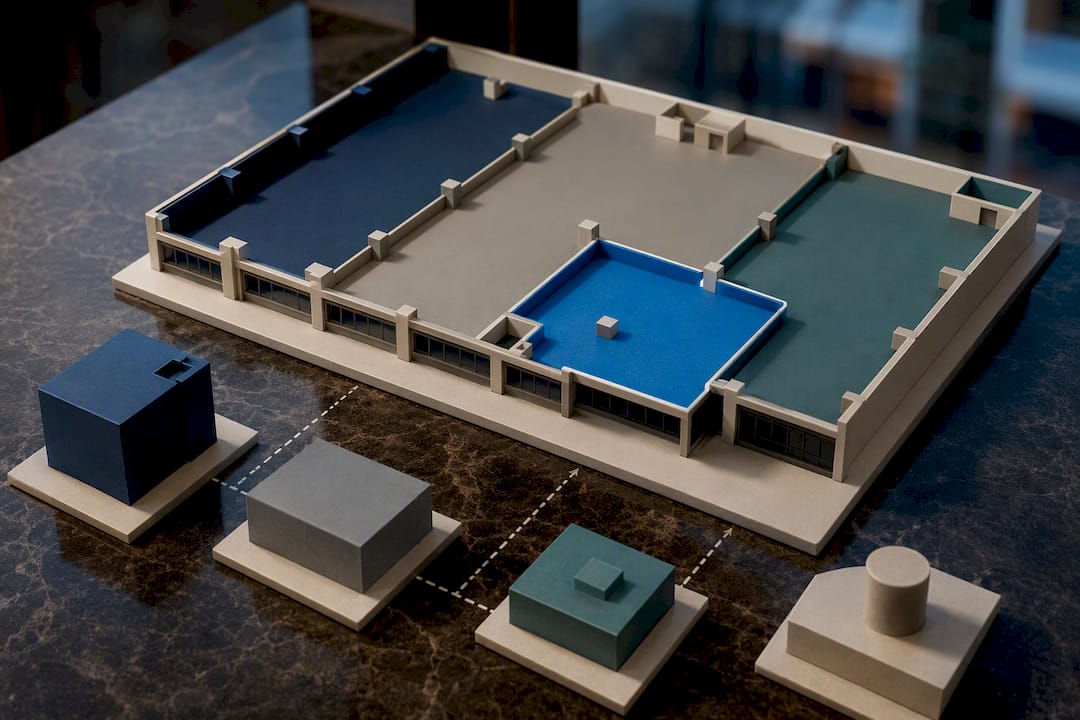
Gross-up provisions complicate things further. Leases often let landlords normalize variable expenses (janitorial, utilities, trash) to a specified occupancy level, commonly 90% to 95%, when the building runs below full occupancy. That adjustment should never touch fixed costs like property taxes or insurance, since those don't scale with occupancy, a distinction Baker Tilly flags as one of the most frequently misapplied rules in commercial leases.
Here's the order to check when reviewing any statement:
- Confirm the pro-rata percentage matches your lease exhibit
- Verify gross-up was applied only to variable expenses, not fixed ones
- Check whether a base year or expense stop limits the landlord's recoverable baseline
- Confirm capital expenditures were excluded or amortized per the lease, not billed as operating costs
Pro Tip: Ask for the actual occupancy percentage and the gross-up percentage stated in the lease side by side. If those two numbers don't match what the lease specifies, the gross-up math is wrong before you even check the totals.
What Are the Most Common CAM Reconciliation Errors?
Most reconciliation disputes trace back to a small set of recurring mistakes, and they rarely look intentional at first glance.
- Capital items coded as operating expenses: a roof replacement or parking lot repaving billed as routine maintenance instead of amortized capital
- Incorrect rentable square footage: outdated building totals that inflate or deflate every tenant's share
- Wrong denominator in the pro-rata formula: gross area used instead of rentable area
- Gross-up applied to fixed expenses: taxes or insurance normalized as if they scale with occupancy
- Management fees exceeding lease caps: a common overcharge when the cap isn't cross-checked
- Duplicate charges or missing prior-year credits: expenses billed twice or forgotten refunds from an earlier true-up
Misclassifying capital expenditures as routine maintenance is one of the leading triggers behind formal CAM audits, according to a tenant audit checklist from Springbord. These errors rarely surface until a tenant or their accountant lines up the detailed schedule against the lease terms line by line, which is exactly why the review checklist below exists.
How Do You Review a CAM Reconciliation Statement?
Treat every statement as a document to verify, not a bill to pay on faith. Work through it in this order:
- Confirm the basics first. Check the statement period, the delivery date against your lease deadline, and the payment due date.
- Verify your rentable square footage against your lease exhibit, not against whatever number appears on the statement.
- Cross-check allowed expense categories against your lease's inclusion and exclusion list, flagging anything that looks like a capital project.
- Recalculate the gross-up math using the stated occupancy percentage and confirm it was applied only to variable costs.
- Check caps and base-year figures to confirm the landlord applied any contractual limits correctly.
- Look for prior-year credits that should have carried forward but didn't appear.
- Request backup documentation if anything looks off: GL extracts, vendor invoices, property tax bills, and insurance certificates.
Landlords who supply that backup without being asked, rather than waiting for a formal request, tend to see far fewer disputes escalate into full audits. If the numbers still don't reconcile after backup review, and the discrepancy is material, that's the point to bring in a third-party CAM auditor rather than negotiating blind.
Pro Tip: Request backup in writing and set a specific response deadline, typically 15 to 30 business days. A landlord who stalls on documentation is often signaling that something in the statement won't hold up to scrutiny.
When Are CAM Reconciliations Due, and What Are the Audit Deadlines?
Lease language controls every deadline here, but a few patterns show up across most commercial leases. Landlords typically deliver reconciliation statements within 60 to 180 days after fiscal year-end, and tenants commonly owe any balance due within 30 days of receiving the statement, according to a reconciliation timeline guide from Lextract.
Audit rights tend to run longer: tenants often have up to two years from the statement date to formally dispute charges or request a third-party audit. Many leases include a "pay first, dispute later" clause, meaning the tenant must pay the balance due before contesting it, then seek a refund if the audit finds an overcharge.
- Missed delivery deadlines by the landlord can, depending on lease language, forfeit the right to collect a shortfall
- Missed audit windows by the tenant typically forfeit the right to dispute that year's charges entirely
- Both deadlines should be calendared the moment a lease is signed, not when a statement arrives
What Bookkeeping Practices Make Year-End Reconciliation Easier?
Reconciliation gets contentious when the underlying bookkeeping was sloppy all year. Fixing that starts long before December.
- Use CAM-specific general ledger accounts, separating recoverable operating expenses from a dedicated CAM-ineligible code for capital projects. That single control prevents the most common audit trigger, according to Springbord's audit checklist.
- Keep lease abstracts current, flagging each tenant's pro-rata share, exclusions, gross-up terms, caps, and audit rights in one reference document.
- Centralize invoices and reconciliation templates so the same categories and formats carry over year to year.
- Communicate estimates early and adjust monthly CAM budgets whenever a major expense event hits, rather than waiting until year-end to surface the impact.
Consistent expense coding paired with an up-to-date lease abstract measurably shortens reconciliation cycle time and cuts audit exposure, a pattern IREM highlights in its guidance on turning reconciliation into a strategic advantage rather than a recurring headache. Consistent monthly reporting practices, tracked the same way property management reporting should be, make the year-end numbers far easier to defend.
Pro Tip: Review your lease abstract every time a major capital project gets approved. A roof replacement or HVAC overhaul that isn't flagged correctly at the coding stage becomes a dispute magnet twelve months later.
Why Transparency in CAM Reconciliation Protects Everyone
Reconciliation disputes rarely start with dishonesty. They start with a landlord who assumes the numbers speak for themselves and a tenant who has no way to verify that assumption. Standardized packets with GL backup, invoices, and clear gross-up worksheets close that gap before it becomes a conflict.
Owners without the internal bandwidth to code expenses correctly all year, keep lease abstracts current, and assemble audit-ready packets on deadline often benefit from bringing in managed help rather than reconciling under pressure every December.
— Chaim
How Milwaukeepm Handles CAM Reconciliation for Owners
Some property management firms offer alternatives to piecing together CAM reconciliation in-house every December by providing year-round CAM-specific bookkeeping, current lease abstracts, and audit-ready packets prepared before delivery deadlines.
That means expenses get coded correctly the moment they hit the books, capital projects get flagged separately from day one, and by the time a tenant asks for backup, the GL extracts, invoices, and gross-up worksheets are already assembled. Our commercial management services cover exactly this kind of reconciliation support alongside lease administration and tenant communication. For controllable expenses like building security and energy use that often drive CAM pool increases, resources like Low Voltage Corp's energy-efficient security guidance can help owners manage those line items proactively. Tenants and owners can also exchange reconciliation documents directly through our tenant portal, cutting the back-and-forth that usually delays disputes. If your current process leaves you reconciling under deadline pressure, visit Milwaukeepm to see how our full property management services can take the year-end scramble off your plate.
Where to Learn More About CAM Reconciliation
For deeper reading, IREM and Baker Tilly publish practitioner-level guidance on reconciliation strategy and lease interpretation, while Harvest LLP and Lextract cover landlord and tenant audit rights, timelines, and documentation standards in detail.
Sources
- CAM reconciliation: Turning a necessary task into a strategic advantage (IREM)
- Reconciliation of CAM expenses: a guide from landlord and tenant perspectives (Harvest LLP)
- Start with the lease agreement (Baker Tilly)
FAQ
What Are the Three Types of Reconciliation in Property Accounting?
In commercial real estate, reconciliation generally falls into three categories: CAM (common area maintenance) reconciliation, real estate tax reconciliation, and insurance reconciliation, each comparing estimated charges to actual costs for that specific expense category.
What Are Common Examples of CAM Expenses?
Typical CAM expenses include landscaping, snow removal, common area utilities, parking lot maintenance, security, janitorial services, and a capped management fee, all defined by the specific inclusions listed in your lease.
Can You Negotiate CAM Charges?
Yes. Tenants can negotiate caps on controllable expenses, exclusions for specific cost categories, and gross-up terms before signing a lease, and can dispute individual charges after the fact if backup documentation reveals an error or a capital item billed incorrectly as an operating expense.
How Long Do I Have to Dispute a CAM Reconciliation Statement?
Audit windows commonly run 12 to 24 months from the statement date, though many leases require payment of the disputed balance first under a "pay first, dispute later" clause, so check your specific lease language before the window closes.
What Documentation Should I Request if a CAM Statement Looks Wrong?
Request GL extracts, vendor invoices, property tax bills, insurance certificates, and the gross-up worksheet showing actual occupancy against the lease-specified threshold, all of which a properly prepared reconciliation packet should already include.